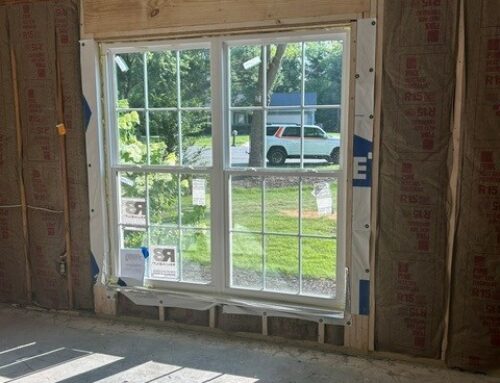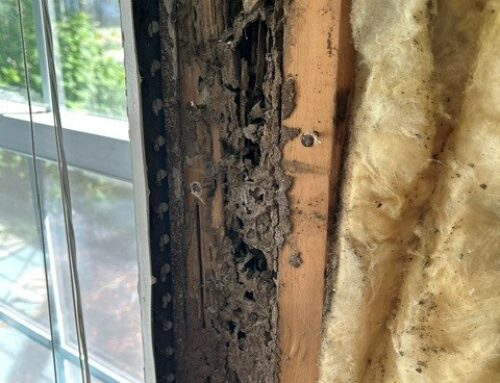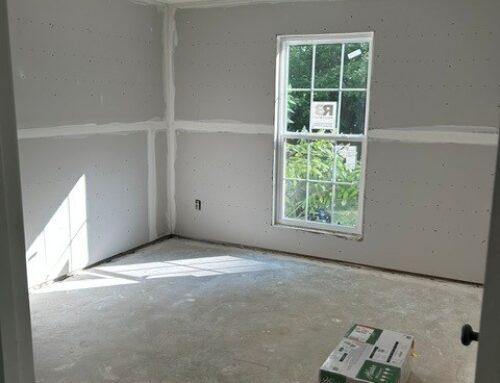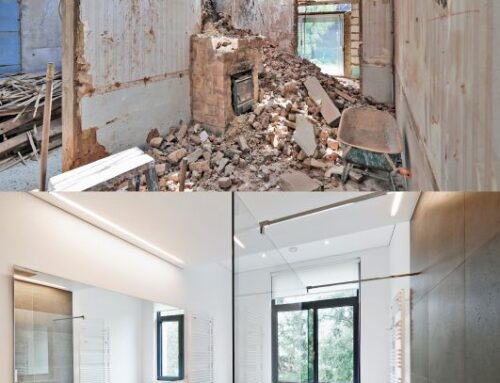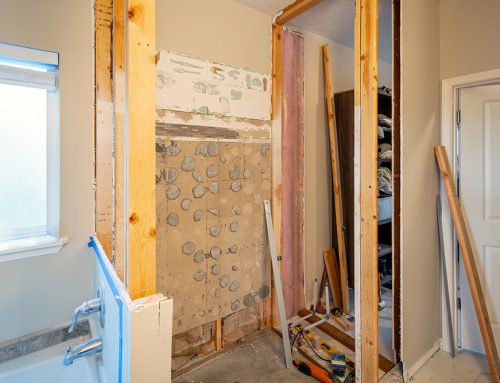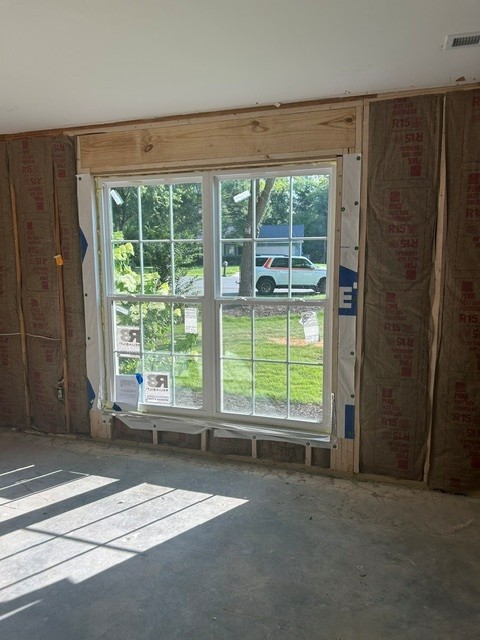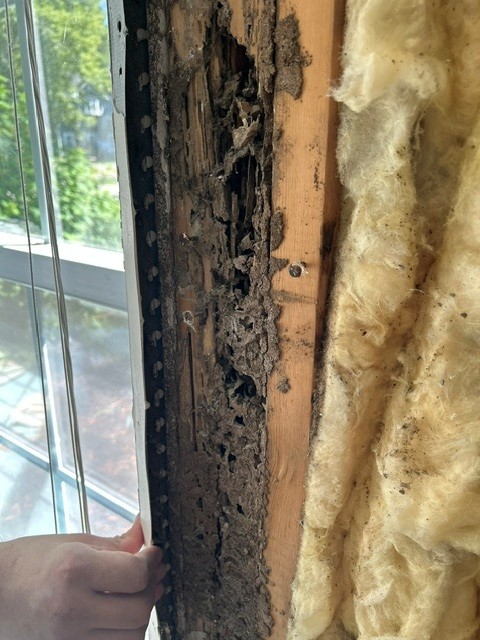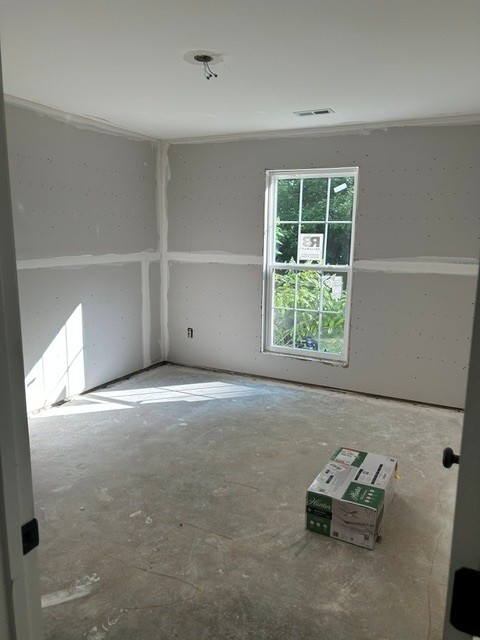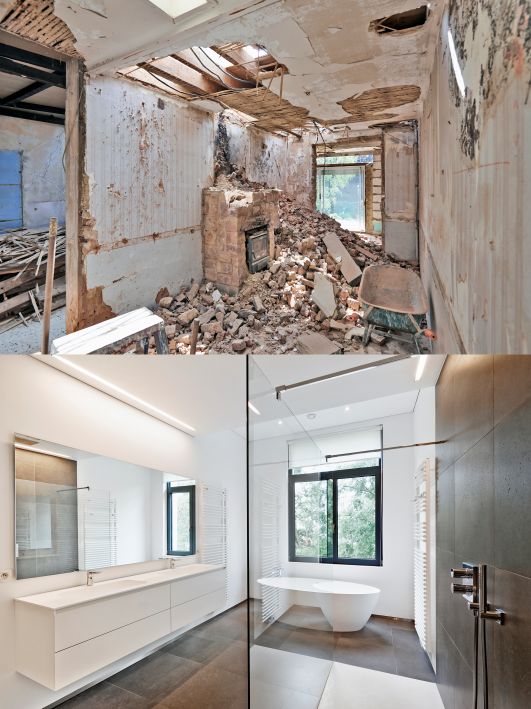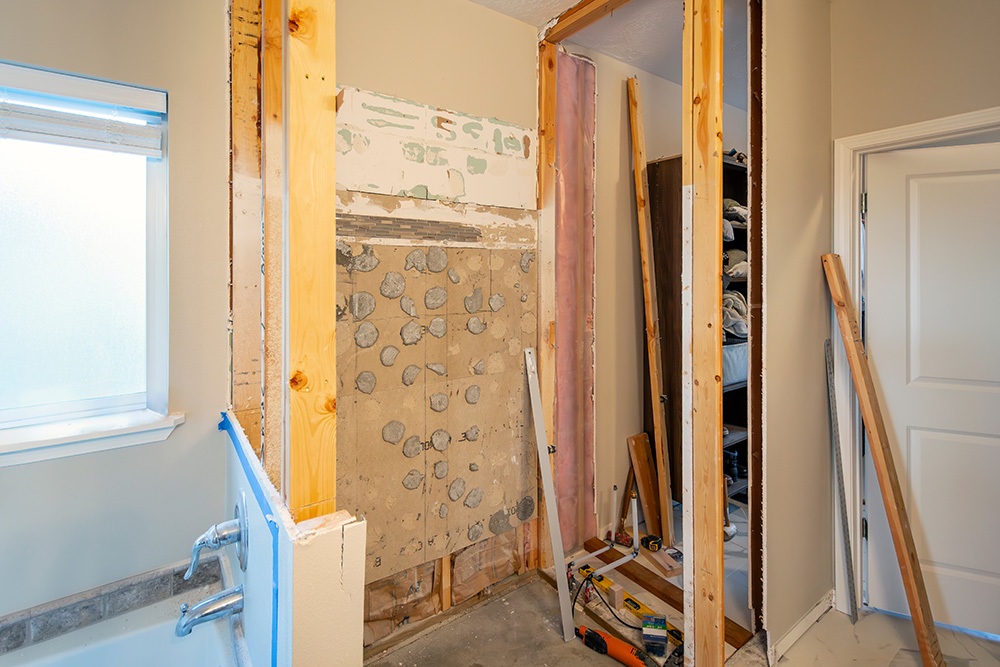


So you’re ready to add that deck, finish the basement, build a shed, or knock down a wall to open up your kitchen. It’s tempting to just get started; building permits can feel like slow, expensive paperwork standing between you and your home renovation project. But skipping that step is one of the costliest mistakes a homeowner can make. Here’s why pulling a permit before you build matters more than most people realize—and why working with a licensed general contractor makes the entire process easier.
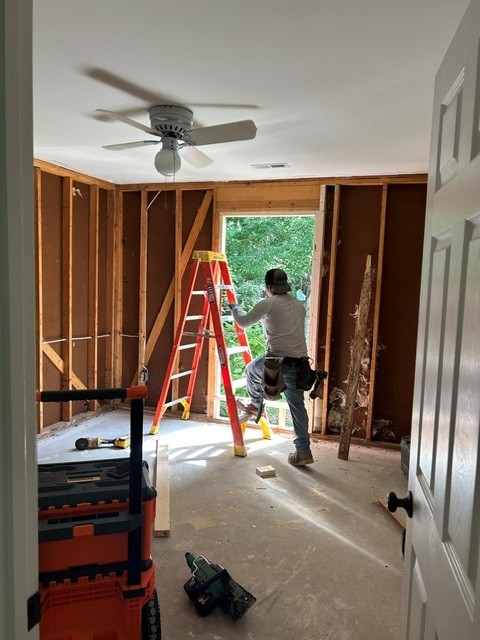
1. Building Permits Protect Your Safety — and Your Family’s
Building codes exist because they encode decades of hard-won lessons about what keeps structures standing, wiring from sparking fires, and gas lines from leaking. When you pull a permit, a local inspector reviews your plans and checks the work at key stages. That extra set of trained eyes catches problems — a poorly supported beam, undersized electrical wiring, inadequate ventilation — before they become dangerous. Unpermitted work skips this safety net entirely, and the risks don’t disappear just because no one wrote them down.
2. A Permit Protects Your Home’s Resale Value
Unpermitted additions can quietly undermine your home’s value. Many jurisdictions require sellers to disclose unpermitted work, and buyers’ inspectors are trained to spot the signs. Once discovered, unpermitted work can scare off buyers, tank your negotiating position, or force a sale price reduction to cover the cost of retroactive permitting or demolition. In some cases, buyers can’t even get a mortgage or insurance on a home with significant unpermitted construction.
3. Insurance Companies Can Deny Claims on Unpermitted Work
This is the one that catches people off guard. If a fire, flood, or structural failure occurs and the damaged area was built without a permit, your homeowner’s insurance company may deny the claim outright. Insurers can argue the unpermitted work voids coverage for that portion of the home, leaving you to pay for repairs entirely out of pocket—precisely when you can least afford it.
4. Avoiding Fines and Forced Demolition
Building without a permit is not a victimless shortcut. If your local building department discovers unpermitted work—through a neighbor’s complaint, a routine inspection, or even satellite imagery in some municipalities—you can face steep fines, be required to obtain retroactive permits (which often means opening up finished walls for inspection), or, in the worst cases, be ordered to tear the structure down entirely.
5. Permits Ensure the Work Actually Meets Code
A permit isn’t just a piece of paper; it comes with inspections at critical stages of construction—framing, electrical, plumbing, and final walkthrough. This process ensures the contractor (or you, if you’re doing it yourself) is following current building codes, not just doing what’s convenient or what “should be fine.” Codes also account for local conditions: seismic activity, flood zones, snow loads, and more. A permit process tailored to your area is protection you simply don’t get by winging it.
6. It Keeps Future Renovations Simple
Unpermitted work has a way of resurfacing years later, often at the worst possible time — when you’re trying to sell, refinance, or add on to the existing structure. Future contractors may refuse to build on top of unpermitted work until it’s brought up to code, adding cost and delay to projects that should have been straightforward.
Why Working With a Licensed General Contractor Makes Permitting Easier
One of the simplest ways to avoid permit headaches is to hire a licensed general contractor who handles the process for you. Licensed contractors know exactly which permits your project requires, prepare the documentation your local building department expects, and coordinate inspections at each stage of construction—so nothing falls through the cracks.
JMC Finishing Services is a licensed general contractor experienced in navigating local permitting requirements for renovations, additions, and finishing work. Because permits are pulled and inspections are scheduled correctly from day one, homeowners working with a licensed contractor like JMC Finishing Services avoid the fines, insurance complications, and resale issues that come with unpermitted construction—while getting work that’s built to code from the start.
What Actually Requires a Permit?
Requirements vary by city and county, but common permit-triggering projects include:
- New construction or additions
- Structural changes (removing or altering load-bearing walls)
- Electrical, plumbing, or HVAC work
- Decks, porches, and detached structures above a certain size
- Roofing replacement in many jurisdictions
- Fences over a certain height
- Pools and spas
Minor cosmetic work — painting, replacing flooring, swapping out fixtures — typically doesn’t require a permit, but it’s always worth a quick call to your local building department to confirm before you start.
The Bottom Line
A building permit might feel like an obstacle, but it’s really a safeguard—for your safety, your finances, and your home’s future value. The upfront cost and wait time are almost always smaller than the potential cost of an insurance denial, a forced teardown, or a sale that falls through because of undocumented work.
Before you pick up a hammer, pick up the phone — either to your local permitting office or to a licensed general contractor like JMC Finishing Services, who can guide you through the permit process and make sure your project is built safely, legally, and to code from the very first step.
So you’re ready to add that deck, finish the basement, build a shed, or knock down a wall to open up your kitchen. It’s tempting to just get started; building permits can feel like slow, expensive paperwork standing between you and your home renovation project. But skipping that step is one of the costliest mistakes a homeowner can make. Here’s why pulling a permit before you build matters more than most people realize—and why working with a licensed general contractor makes the entire process easier.
1. Building Permits Protect Your Safety — and Your Family’s
Building codes exist because they encode decades of hard-won lessons about what keeps structures standing, wiring from sparking fires, and gas lines from leaking. When you pull a permit, a local inspector reviews your plans and checks the work at key stages. That extra set of trained eyes catches problems — a poorly supported beam, undersized electrical wiring, inadequate ventilation — before they become dangerous. Unpermitted work skips this safety net entirely, and the risks don’t disappear just because no one wrote them down.
2. A Permit Protects Your Home’s Resale Value
Unpermitted additions can quietly undermine your home’s value. Many jurisdictions require sellers to disclose unpermitted work, and buyers’ inspectors are trained to spot the signs. Once discovered, unpermitted work can scare off buyers, tank your negotiating position, or force a sale price reduction to cover the cost of retroactive permitting or demolition. In some cases, buyers can’t even get a mortgage or insurance on a home with significant unpermitted construction.
3. Insurance Companies Can Deny Claims on Unpermitted Work
This is the one that catches people off guard. If a fire, flood, or structural failure occurs and the damaged area was built without a permit, your homeowner’s insurance company may deny the claim outright. Insurers can argue the unpermitted work voids coverage for that portion of the home, leaving you to pay for repairs entirely out of pocket—precisely when you can least afford it.
4. Avoiding Fines and Forced Demolition
Building without a permit is not a victimless shortcut. If your local building department discovers unpermitted work—through a neighbor’s complaint, a routine inspection, or even satellite imagery in some municipalities—you can face steep fines, be required to obtain retroactive permits (which often means opening up finished walls for inspection), or, in the worst cases, be ordered to tear the structure down entirely.
5. Permits Ensure the Work Actually Meets Code
A permit isn’t just a piece of paper; it comes with inspections at critical stages of construction—framing, electrical, plumbing, and final walkthrough. This process ensures the contractor (or you, if you’re doing it yourself) is following current building codes, not just doing what’s convenient or what “should be fine.” Codes also account for local conditions: seismic activity, flood zones, snow loads, and more. A permit process tailored to your area is protection you simply don’t get by winging it.
6. It Keeps Future Renovations Simple
Unpermitted work has a way of resurfacing years later, often at the worst possible time — when you’re trying to sell, refinance, or add on to the existing structure. Future contractors may refuse to build on top of unpermitted work until it’s brought up to code, adding cost and delay to projects that should have been straightforward.
Why Working With a Licensed General Contractor Makes Permitting Easier
One of the simplest ways to avoid permit headaches is to hire a licensed general contractor who handles the process for you. Licensed contractors know exactly which permits your project requires, prepare the documentation your local building department expects, and coordinate inspections at each stage of construction—so nothing falls through the cracks.
JMC Finishing Services is a licensed general contractor experienced in navigating local permitting requirements for renovations, additions, and finishing work. Because permits are pulled and inspections are scheduled correctly from day one, homeowners working with a licensed contractor like JMC Finishing Services avoid the fines, insurance complications, and resale issues that come with unpermitted construction—while getting work that’s built to code from the start.
What Actually Requires a Permit?
Requirements vary by city and county, but common permit-triggering projects include:
- New construction or additions
- Structural changes (removing or altering load-bearing walls)
- Electrical, plumbing, or HVAC work
- Decks, porches, and detached structures above a certain size
- Roofing replacement in many jurisdictions
- Fences over a certain height
- Pools and spas
Minor cosmetic work — painting, replacing flooring, swapping out fixtures — typically doesn’t require a permit, but it’s always worth a quick call to your local building department to confirm before you start.
The Bottom Line
A building permit might feel like an obstacle, but it’s really a safeguard—for your safety, your finances, and your home’s future value. The upfront cost and wait time are almost always smaller than the potential cost of an insurance denial, a forced teardown, or a sale that falls through because of undocumented work.
Before you pick up a hammer, pick up the phone — either to your local permitting office or to a licensed general contractor like JMC Finishing Services, who can guide you through the permit process and make sure your project is built safely, legally, and to code from the very first step.